It has been 6 years since our last visit to Tubbataha. It has been a long-held dream to revisit this beautiful place again. Tubbataha reef is a UNESCO world heritage site located in the Sulu Sea to the east of Palawan. Because of its remote location and challenging access, it is one of the healthiest and least exploited reefs in the world.
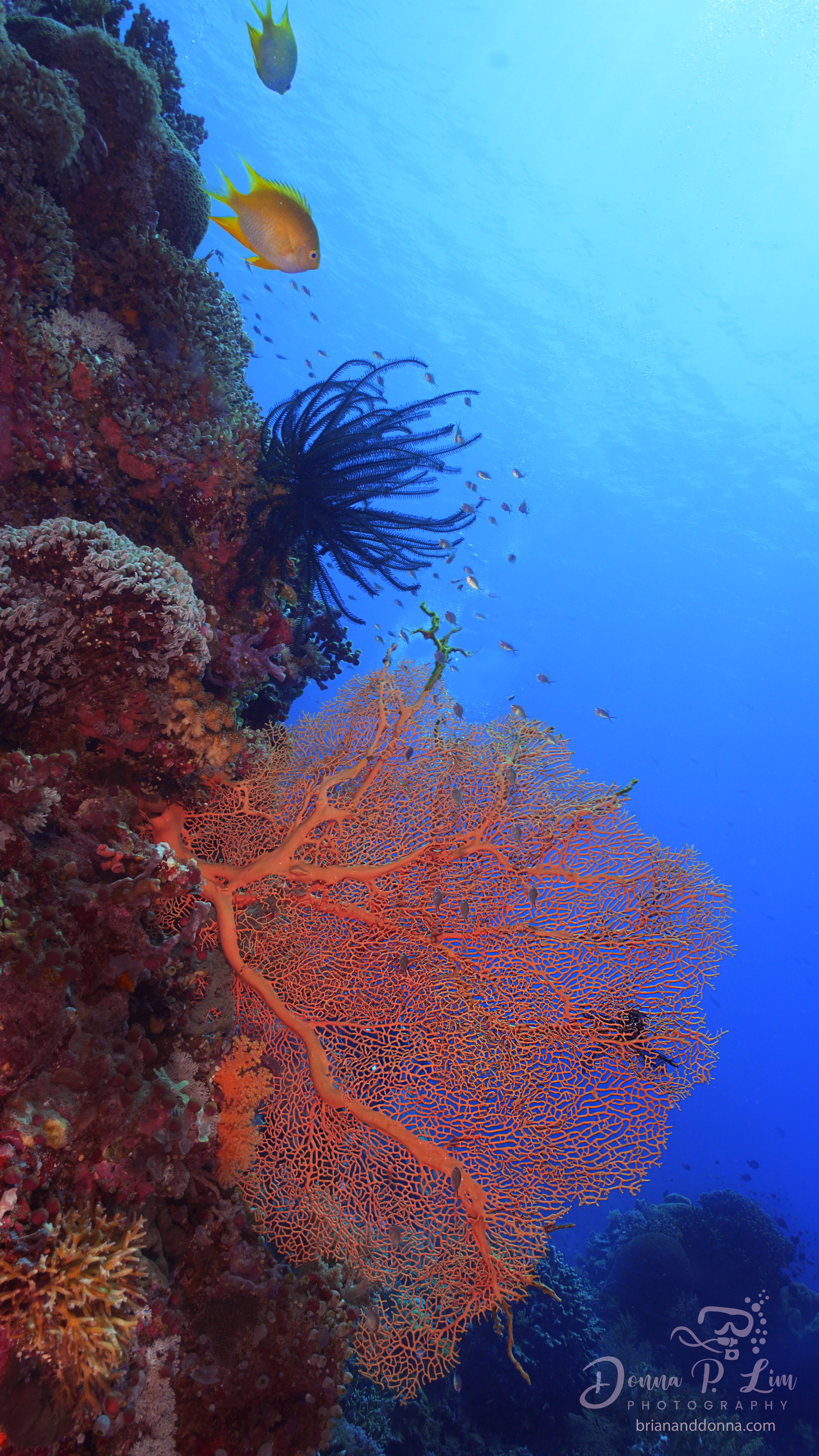


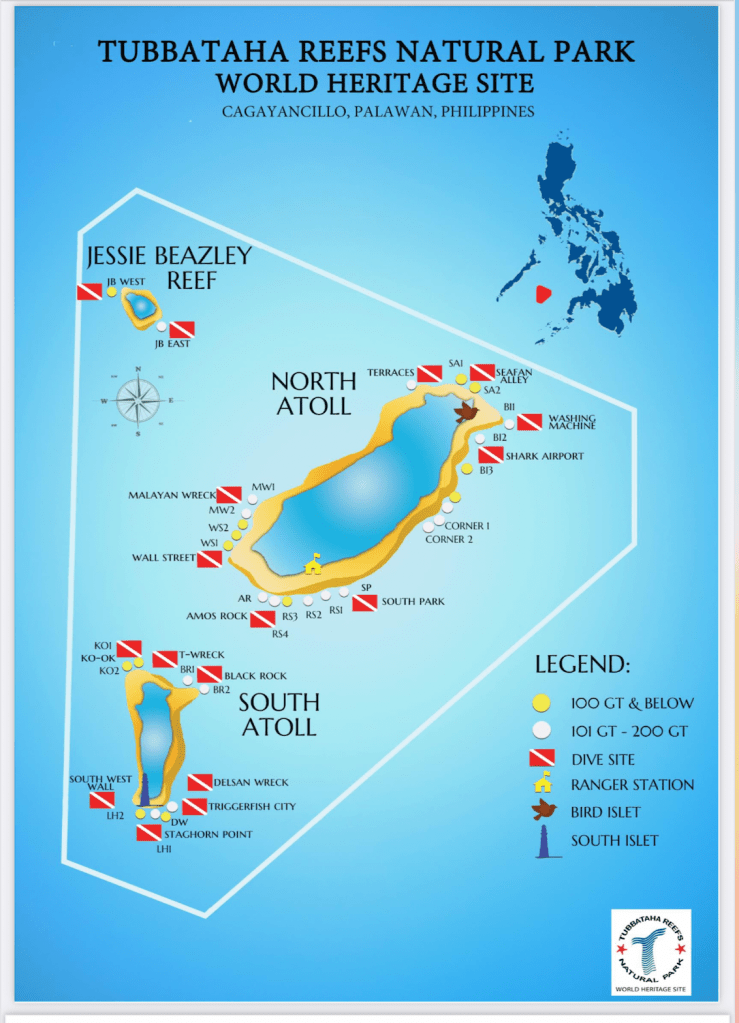
Tubbataha is divided into 3 main areas: North Atoll, South Atoll and Jessy Beazley reef. Each atoll has numerous dive sites offering multi colored reef fishes, lobsters, sharks, turtles, rays and high diversity of marine species. Each dive site is special, but my favorites were Shark airport and Delsan wreck.
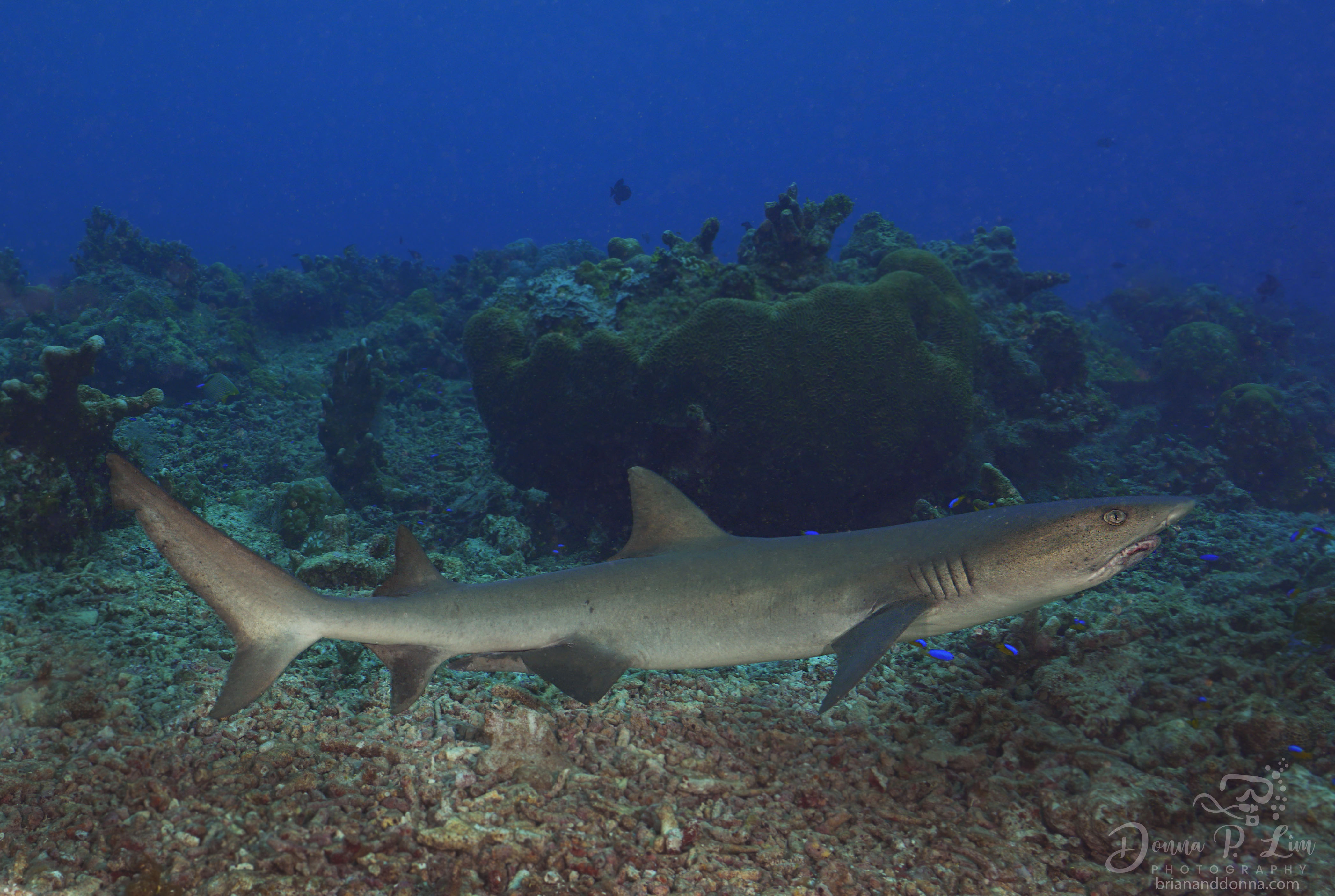
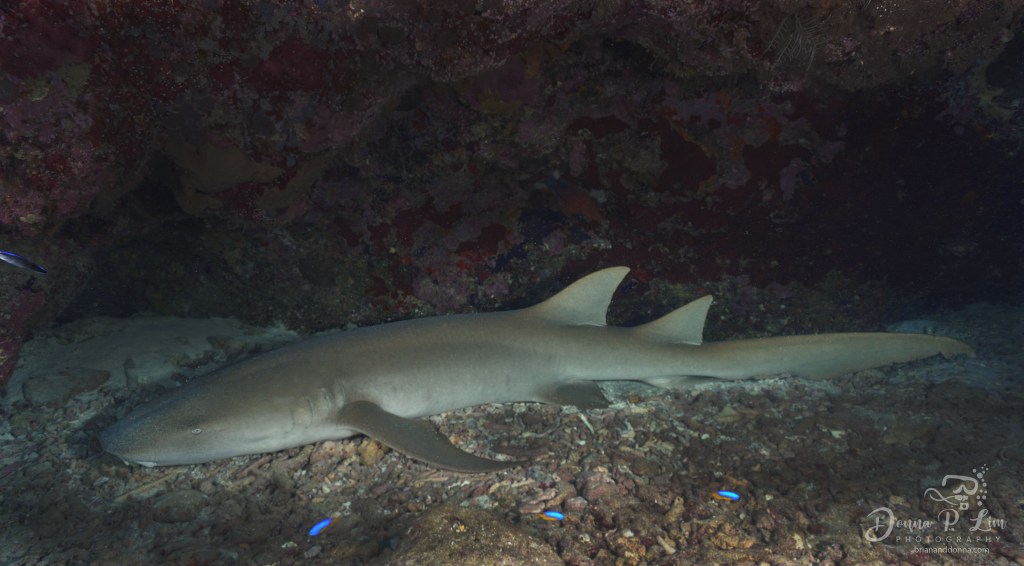
As an indicator of a healthy reef, sharks are seen on every dive. Different shark species are seen here, mostly white tip and grey reef sharks, but we were lucky to find a nurse shark in this trip!


And even luckier to capture a shark and a turtle in one frame!

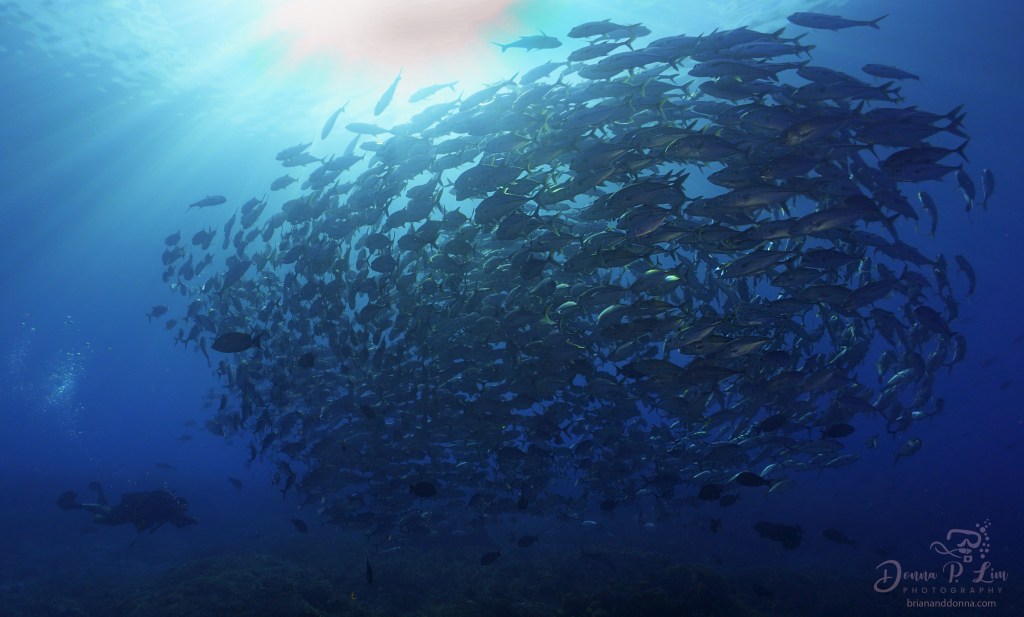
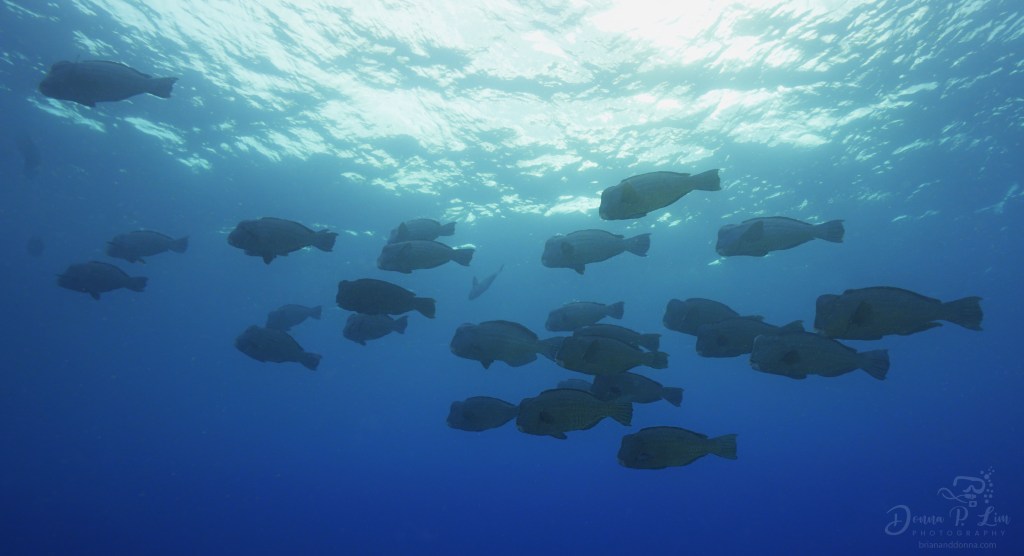
As a no-take marine protected area, thriving pelagics and schools of fishes are abundant in Tubbataha. It is home to big schools of jacks, bump head parrotfishes and barracudas.

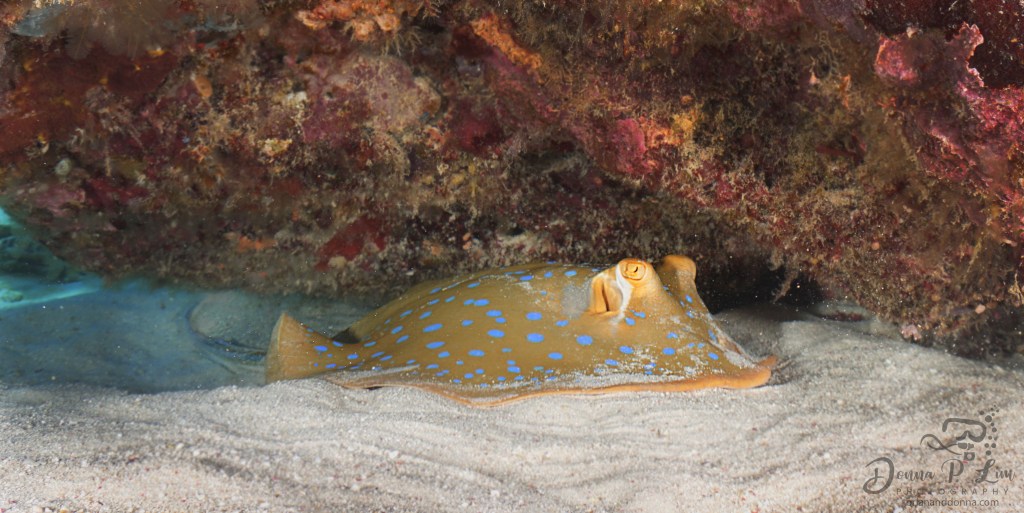
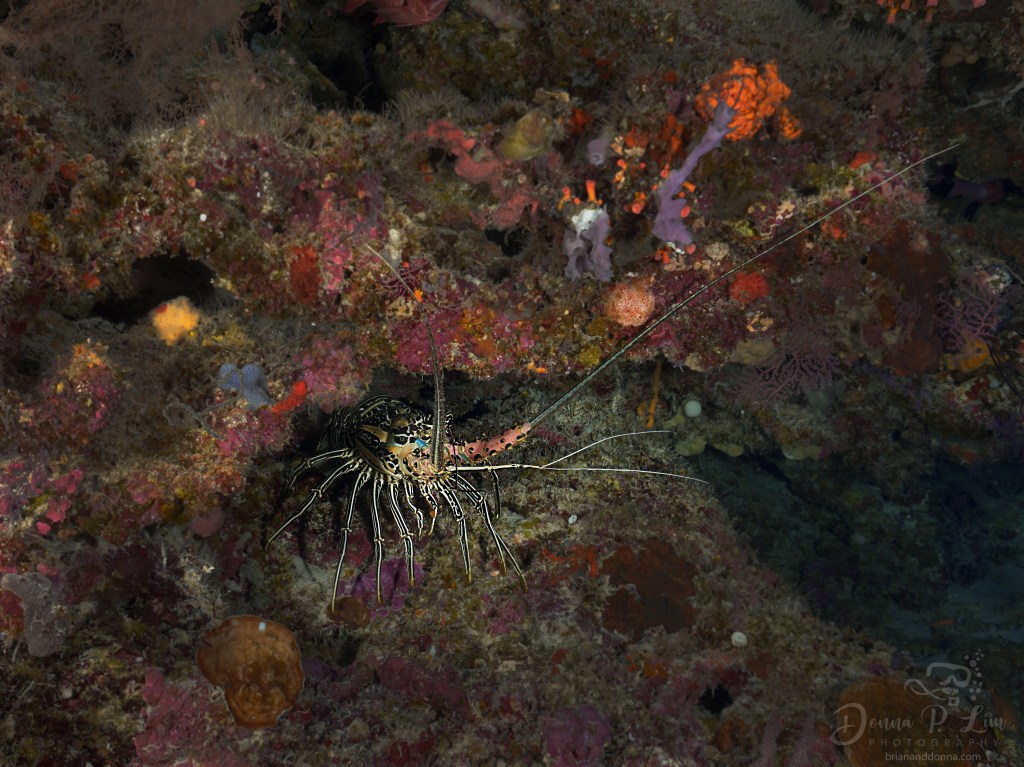
We always made sure to look under those table corals to find surprises like these blue-spotted ray, lobster and snappers.

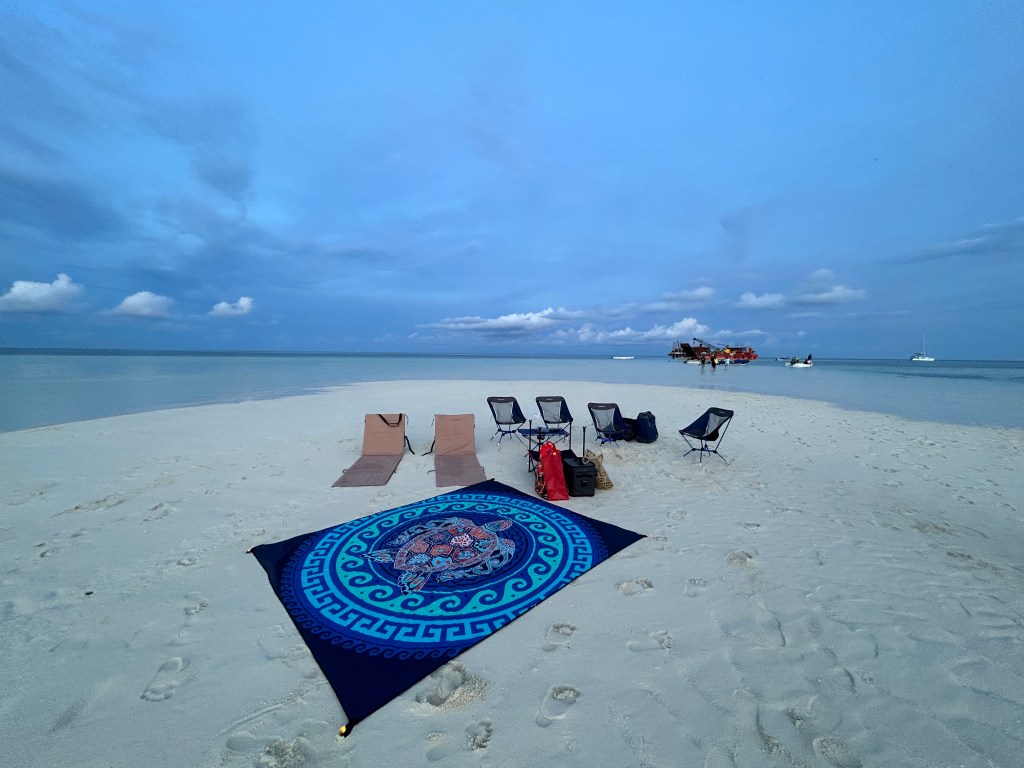
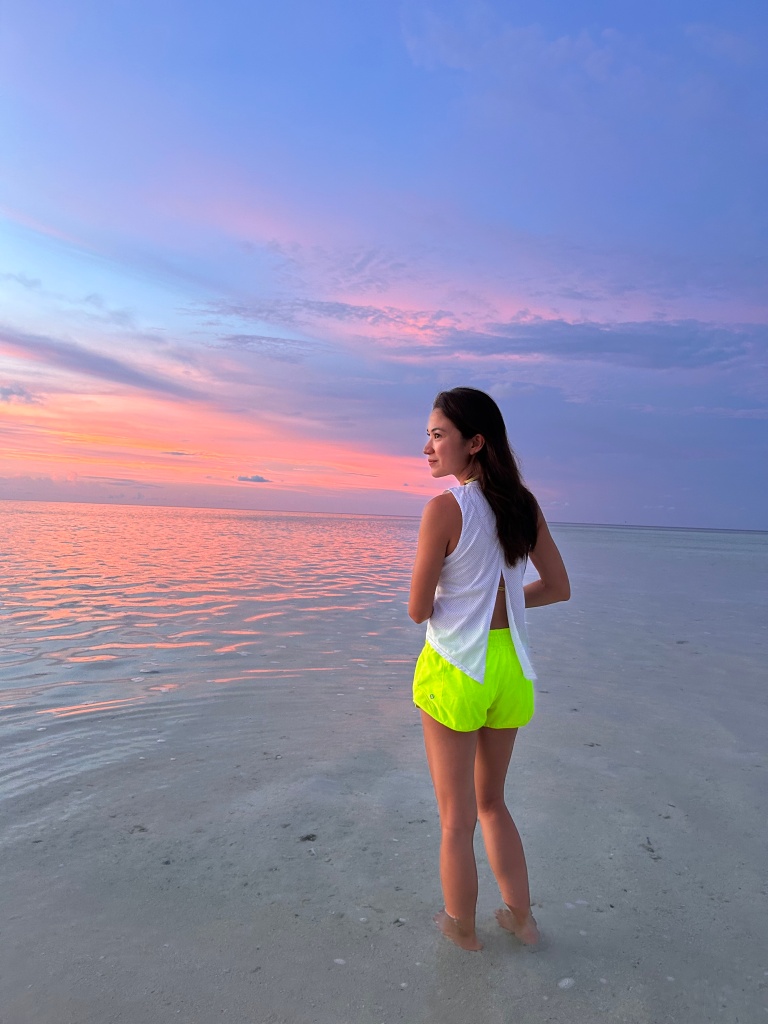
The diving season for Tubbataha is March-June. Those are the only months that boats are allowed in the marine park. We went there around end of June, so there were fewer boats and we spent our surface intervals enjoying the sandbar with beautiful sunsets.


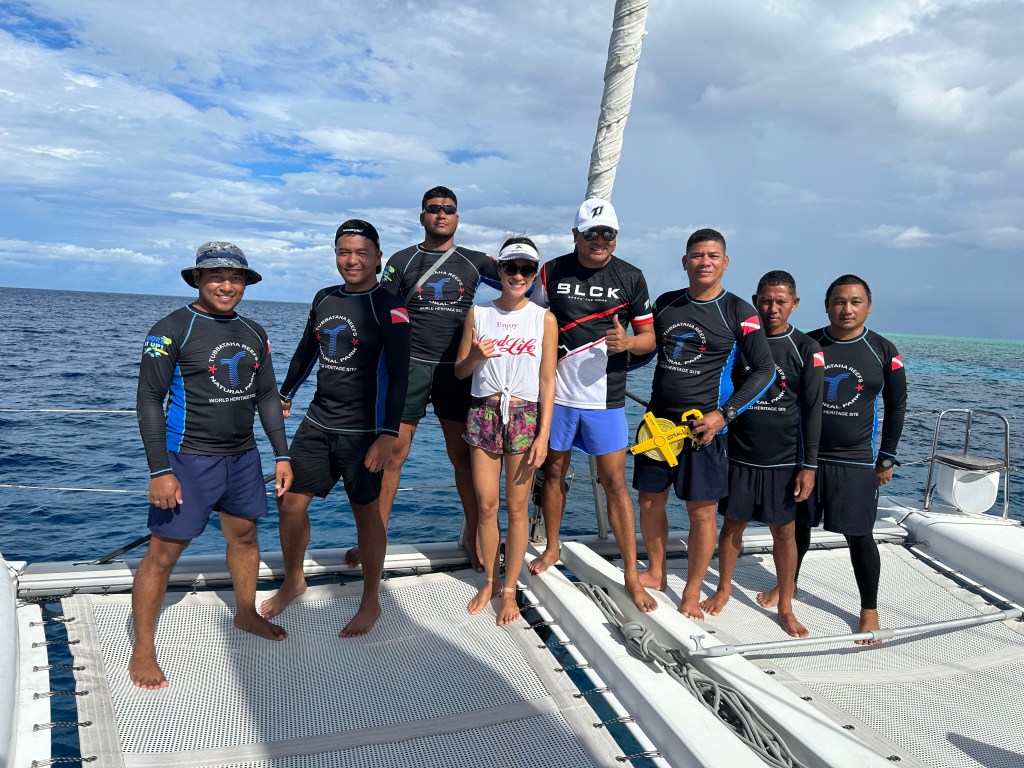
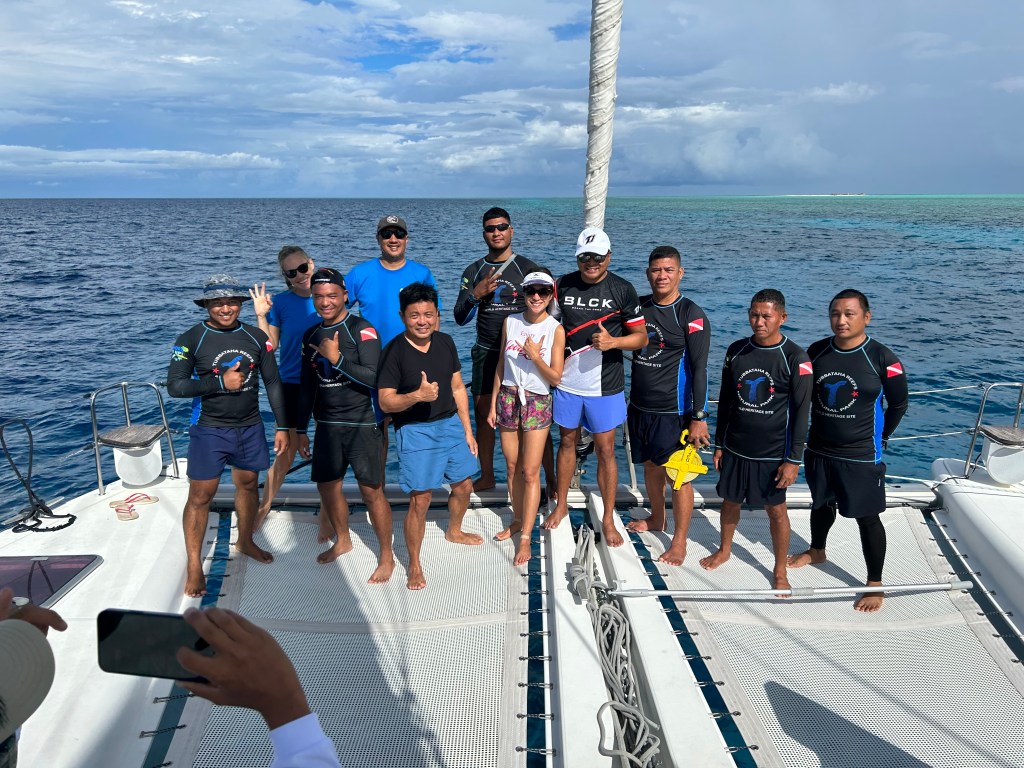
One of the reasons why Tubbataha has been well-preserved is the presence of the dedicated rangers. This post is dedicated to them, for winning the International Ranger Award in the very recent International Union for the Conservation of Nature (IUCN) and World Commission on Protected Areas (WCPA).

Tubbataha remains to be one of our personal favorites, having the healthiest reef ecosystem with the clearest visibility. It remains to be legally protected through national protected legislation and other environmental legislation. We hope it stays that way, to preserve it for our next visits and for our future generations.
 BRIANANDDONNA